


KRA Company Returns Filing in Narumoro: A Guide for Business Owners
If you own a registered company and operate in Narumoro, keeping up with KRA tax obligations is part of running your business properly. You might be managing a small trading business, supplying goods to customers or operating a company that hasn’t been very active lately. Either way, it’s important to understand which returns your company needs to file and when they’re due.
Many business owners only think about KRA company returns when they need a Tax Compliance Certificate, want to apply for a tender or discover that their iTax account has outstanding obligations. By then, they may have several years of returns to sort out.
If you’re looking for KRA company returns filing in Narumoro, this guide explains how company tax returns work, what you need before filing and where to get help if you’re stuck.
What Is KRA Company Returns Filing?
Company returns filing involves submitting the required tax information for a registered company to the Kenya Revenue Authority (KRA). The information generally covers the company’s income, expenses, allowable deductions and tax position for a particular accounting period.
Companies usually file annual corporation tax returns through the KRA iTax platform. The return should reflect the company’s actual financial position, based on its accounts and supporting records.
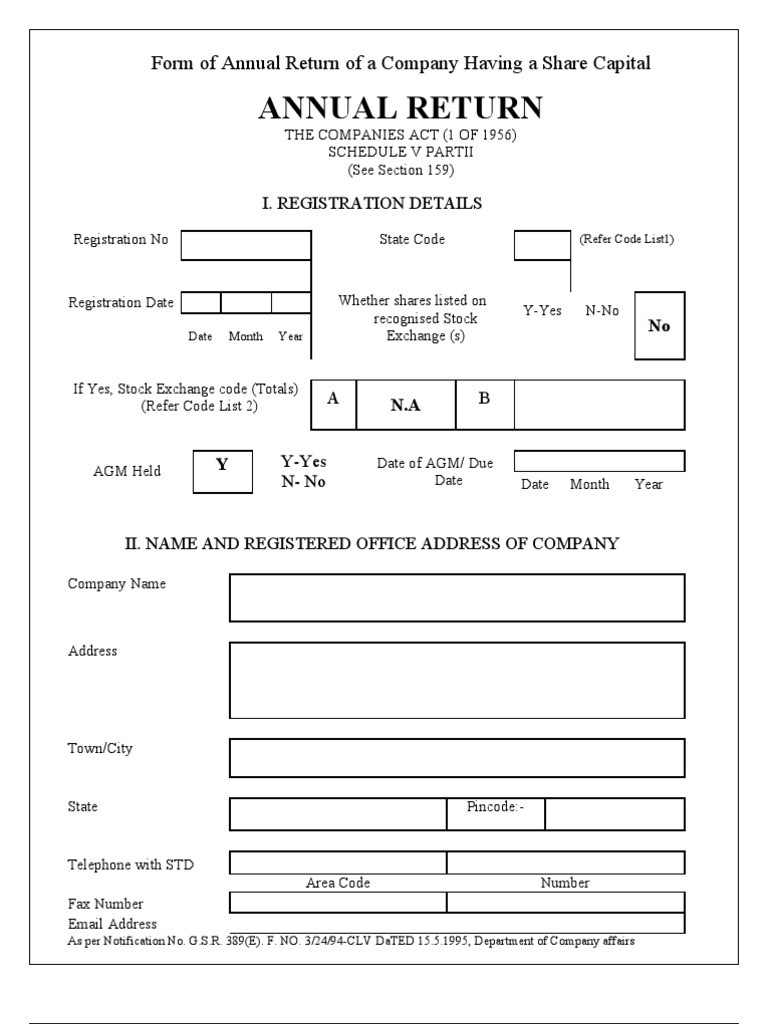
It’s worth remembering that company returns are different from the annual returns filed with the Business Registration Service (BRS). BRS annual returns relate to company registration records, while KRA returns relate to tax obligations. Depending on your circumstances, you may need to complete .

Who Needs Company Returns Filing in Narumoro?
If your company is registered in Kenya and has an obligation to file corporation tax returns, you should keep track of those requirements regardless of where the business operates.
Company returns filing may be relevant to:
- Small business owners: If you operate a registered company selling goods or providing services, you need to understand your company’s annual tax filing obligations.
- Contractors and suppliers: Companies seeking tenders or contracts may need up-to-date tax records and a Tax Compliance Certificate.
- Companies with little or no income: A quiet year doesn’t automatically remove your filing obligations. You should establish what returns are required for your company.
- Companies that have stopped trading: If your company is inactive, you should check its outstanding tax obligations rather than assume that no returns are necessary.
For business owners in Narumoro, handling these obligations early can help prevent last-minute problems when an opportunity comes up.
How to File KRA Company Returns in Narumoro
You can file company tax returns online through iTax without necessarily travelling to a KRA office. Here’s how the process generally works.
Step 1: Access the Company’s iTax Account
Visit the official KRA iTax portal at https://itax.kra.go.ke/.
Use the company’s KRA PIN and the appropriate login credentials to access its tax records. If you have forgotten the password, follow the portal’s recovery process.
Before proceeding, confirm that you’re working with the correct company account, especially if you manage tax matters for more than one business.
Step 2: Check the Company’s Tax Obligations
Review the company’s registered tax obligations and filing history.
Look for outstanding corporation tax returns, unpaid liabilities and any other obligations applicable to the company. If the business has been registered for VAT, PAYE or other taxes, check whether those obligations require separate returns.
Not every company has the same tax responsibilities. What matters is understanding the obligations registered against your particular business and the requirements that apply to it.
Step 3: Prepare the Company’s Financial Records
Before filing, gather the information needed to prepare an accurate return.
This may include sales records, expense receipts, bank statements, invoices, financial statements and details of allowable deductions. The exact documents depend on the company’s activities and accounting position.
For example, a company selling goods may need to reconcile its sales, purchases, stock records and business expenses before the annual return can be prepared.
If your records are incomplete, take time to establish the correct figures rather than estimating amounts simply to finish the filing.
Step 4: Prepare and Submit the Return
Use the relevant corporation tax return service on iTax and enter the required information based on the company’s financial records.
Review the figures before submitting. Errors in income, expenses, tax computations or company details may create problems later.
If you’re unfamiliar with corporation tax calculations, consider getting help from a qualified tax professional.
Step 5: Confirm Whether Tax Is Payable
After preparing the return, establish whether the company owes corporation tax or has another outstanding liability.
Where tax is payable, follow KRA’s payment instructions and retain the relevant payment evidence. Filing a return and paying the tax due are separate requirements, so completing one doesn’t necessarily mean you’ve completed the other.
Keep copies of the submitted return and acknowledgement for your records.
When Are KRA Company Returns Due?
For companies subject to the ordinary corporation tax regime in Kenya, the annual corporation tax return is generally due within six months after the end of the accounting period.
For a company whose accounting period ends on 31 December, the return would ordinarily be due by 30 June of the following year.
However, your company’s accounting period and applicable tax regime matter. Confirm the deadline relevant to your business and check current KRA guidance, particularly if your company has a special accounting period or a different tax treatment.
Don’t confuse the annual corporation tax return deadline with the deadlines for monthly tax obligations, which may be different.
What If Your Company Has Not Been Filing Returns?
Suppose you registered a company in Narumoro several years ago but never started trading. Or perhaps the business operated for a while and then became inactive.
You may still have outstanding filing obligations. The right approach is to review the company’s iTax records and determine which returns are missing.
Depending on the circumstances, you may need to:
- File outstanding returns using accurate information.
- Establish the company’s actual financial position for each relevant period.
- Review any penalties, interest or unpaid tax shown on the account.
- Seek clarification from KRA if the registered obligations don’t match the company’s circumstances.
Don’t assume that an inactive company can simply be ignored. Equally, don’t assume that every inactive company owes corporation tax. Its filing obligations and actual tax position need to be assessed individually.
If the company has permanently ceased operating, you may also need to consider the appropriate steps for formally closing or dissolving it. Stopping business activities alone doesn’t automatically remove all statutory obligations.
Common Mistakes to Avoid When Filing Company Returns
A few mistakes can make the process more difficult than it needs to be.
Treating Nil Returns as a Substitute for Company Accounts
A company with no sales may still need to submit a corporation tax return. Whether a nil return is appropriate depends on the facts and the applicable filing requirements.
Make sure the return accurately represents the company’s financial position.
Confusing KRA Returns With BRS Annual Returns
These are different obligations handled through different systems. Filing with BRS doesn’t automatically mean you’ve filed your KRA tax return.
Check both sets of requirements where applicable.
Ignoring Other Registered Tax Obligations
A company may have obligations beyond annual corporation tax. If it’s registered for VAT or PAYE, for example, it should check the relevant filing and payment requirements.
Waiting Until You Need a Tax Compliance Certificate
If you discover several missing returns when applying for a tender, you may not have enough time to resolve everything before the deadline.
Review your company’s tax position regularly instead of waiting until a certificate is urgently needed.
What Documents Should You Prepare?
If you want to file company returns or clear a backlog, start by gathering the records available to you.
Depending on your company’s circumstances, these may include:
- The company’s KRA PIN and iTax filing history.
- Financial statements or accounting records.
- Sales invoices, purchase invoices and expense records.
- Bank statements and other relevant transaction records.
- Details of previous returns, payments or KRA notices.
If some documents are missing, explain that early. You may need to reconstruct the company’s financial records before preparing accurate returns.
Get Help With KRA Company Returns Filing in Narumoro
Filing company returns doesn’t have to become a last-minute rush. Whether your company is actively trading, has had a quiet year or has accumulated outstanding returns, start by establishing its tax obligations and gathering accurate records.
Visit https://bzinex.co.ke/ to learn more about Bzinex’s services and ask about help with KRA company returns filing. You can call us or Whatsapp +254 797 532 345 now.
ALSO READ:
How to File KRA Returns Online in Kenya
KRA Tax Compliance Certificate: Requirements and Application in Kenya
KRA Nil Returns: Who Should File and How
KRA eTIMS Expert in Karatina: eTIMS Registration, Setup and Compliance