


KRA Return Filing Errors and How to Correct Them
Filing KRA returns sounds straightforward. You log into iTax, select the return, enter the figures, submit it, and you’re done.
But that’s where things can go wrong.
A small mistake in a KRA return can create a bigger problem later. You might enter the wrong figure, file a nil return when you actually had income, choose the wrong tax obligation, or simply forget to file altogether.
The good news is that many return filing mistakes can be corrected. The important thing is to identify the error early and use the correct process to amend or rectify the return.
Here’s a look at some of the common KRA return filing errors and what you can do about them.
1. Filing a Nil Return When You Had Income
This is one of the mistakes taxpayers commonly make.
A taxpayer may file a nil return because they didn’t receive a salary that month, didn’t make a profit, or simply assumed that having no business activity meant they had nothing to declare.
But different tax obligations have different filing requirements. If you had taxable income that should have been declared, submitting a nil return may result in an inaccurate tax declaration.
KRA return correction
If you’ve already submitted the return, check whether the iTax system allows you to file an amended return for that particular obligation and period.
The amended return should contain the correct information rather than the figures in the original return.
If you’re unsure whether the income should have been declared, it’s better to clarify the tax obligation before making another submission.
2. Entering the Wrong Income or Expense Figures
It’s surprisingly easy to type the wrong number.
For example, you might intend to enter KSh 150,000 but accidentally enter KSh 1,500,000. Or you could enter an expense under the wrong category.
These errors can affect the tax calculated from the return.
How to correct it
Review the submitted return and identify exactly where the incorrect figure appears.
Where an amendment is permitted, submit an amended return with the correct figures. Keep documents supporting the correction, such as invoices, receipts, bank records and other relevant business records.
Don’t simply file another return for the same period without first checking whether an amended return is required.
3. Filing Under the Wrong Tax Obligation
A KRA PIN can have different tax obligations attached to it.
For example, a taxpayer may have obligations relating to Income Tax, VAT, PAYE or other applicable taxes.
Selecting the wrong obligation when filing can lead to an incorrect return being submitted.
How to correct it
First, check your KRA PIN and confirm the tax obligations registered against it.
If the wrong return has already been filed, the correction may depend on the specific tax obligation and the circumstances. In some cases, you may need to contact KRA for assistance rather than simply submitting another return.
This is one area where getting professional help can save you from making a second mistake while trying to fix the first one.
4. Using the Wrong Filing Period
Another common error is selecting the wrong month, quarter or year before completing a return.
For example, you may intend to file a return for August but accidentally select July.
The figures themselves could be correct, but they’re attached to the wrong filing period.
How to correct it
Check the period shown on your submitted return.
If you’ve filed for the wrong period, don’t assume that filing another return automatically fixes the problem. The correct action depends on the type of return and the status of the submission.
Keep the original acknowledgement receipt and any other evidence of what was submitted.
5. Filing a Return Twice
Sometimes taxpayers submit a return and then, because they don’t immediately see confirmation, submit it again.
This can create unnecessary confusion.
Before submitting a second return, check your iTax account and confirm whether the first submission was successful.
How to correct it
If two returns have been submitted for the same obligation and period, review the status of both.
If the duplicate filing has created a tax issue or inconsistency, contact KRA for guidance on the appropriate correction.
It’s better to confirm the status first rather than repeatedly submitting returns.
6. Forgetting to Include All Sources of Income
A taxpayer may remember their salary but forget another source of income.
For a business owner, this could happen when different sales channels aren’t properly recorded. Someone might also forget income from a side business, rental activity or another taxable source.
How to correct it
Go back to your records and compare them with what was declared.
If income was left out, determine whether the submitted return can be amended and make the correction using the appropriate process.
Don’t ignore the omission simply because the amount was small. An inaccurate return can create problems later, particularly if KRA’s records don’t match your declarations.
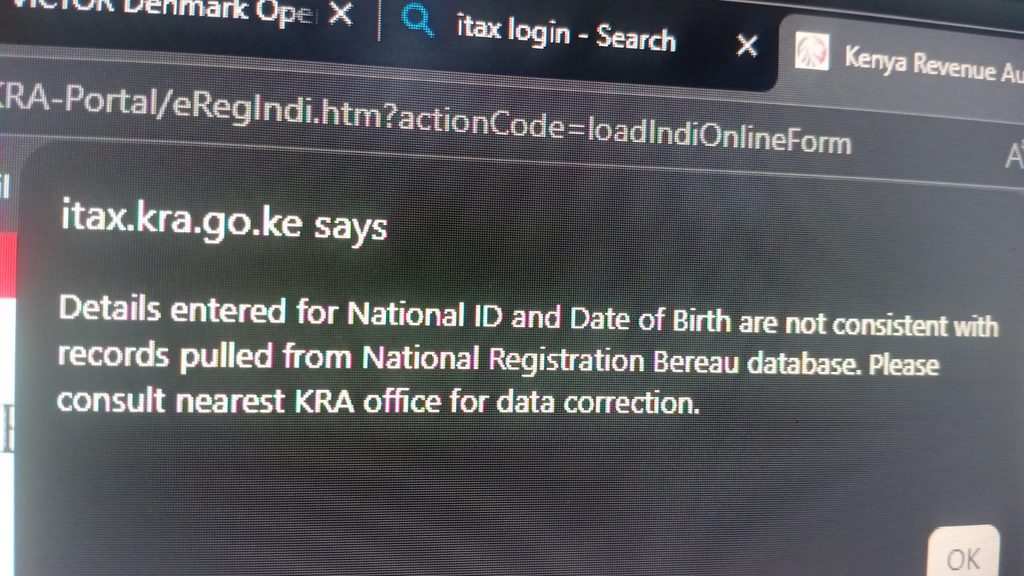
7. Incorrect Personal or Business Details
A return may contain incorrect information because of an old address, wrong business details or another data entry mistake.
Not every error in your KRA profile can be corrected through the return itself.

How to correct it
Separate the problem into two questions:
Is the error in the return?
If so, an amended return may be appropriate.
Is the error in your KRA taxpayer profile?
You may need to update the relevant taxpayer information through the appropriate KRA process.
This distinction matters because amending a return won’t necessarily change the underlying information on your PIN profile.
8. Claiming the Wrong Expenses
Businesses sometimes make mistakes when recording deductible expenses.
An expense may be entered twice, recorded under the wrong category, or claimed even though it doesn’t meet the relevant tax requirements.
How to correct it
Review the supporting documents behind the expenses you declared.
If you’ve claimed an amount incorrectly, consider whether the return needs to be amended and whether the supporting documentation meets the requirements for that tax obligation.
Keep your records. If KRA asks you to support the figures later, you’ll want to have the documents readily available.
9. Forgetting to File a Return
Not filing is different from filing an incorrect return, but it happens often.
You may simply forget the deadline, assume someone else has filed on your behalf, or think that no business activity means there’s no return to submit.
The consequences depend on the tax obligation and the circumstances.
How to correct it
If you’ve missed a filing deadline, check your iTax account and determine the status of the obligation.
Where a return is still required, file it as soon as possible and establish whether any penalties or interest apply.
Don’t leave the obligation unattended because the deadline has already passed.
10. Making a Mistake in a PAYE or Other Monthly Return
Employers can also make errors when filing monthly returns.
For example, the number of employees, taxable pay, PAYE deducted or other figures may be entered incorrectly.
How to correct it
Compare the submitted return against your payroll records.
If the figures don’t agree, determine whether an amended return is available for that particular period and obligation.
The correction should be supported by your payroll records so that there’s a clear explanation for the change.
What Is an Amended KRA Return?
Amended KRA return
An amended return is essentially a corrected version of a return that has already been submitted.
It’s used when you discover that information in the original return wasn’t accurate.
For example, you could discover that:
- You entered the wrong income figure.
- You forgot to declare some income.
- You entered an expense incorrectly.
- You filed information under the wrong circumstances.
- You made another error that affects the original declaration.
The exact amendment process depends on the type of return and tax obligation involved.
Can You Amend a KRA Return After Filing?
In many situations, taxpayers can correct information in a return that has already been submitted. However, the procedure and requirements can vary depending on the type of tax return, the period involved and the nature of the error.
So don’t assume that every error can be fixed in exactly the same way.
Before making a correction, check the return status and the specific tax obligation involved. If the matter is complicated, getting assistance from a tax professional or KRA can help you determine the appropriate process.
What You Should Keep Before Correcting a Return
Before amending a return, gather the documents that support the correction.
Depending on the type of return, these could include:
- Sales invoices
- Purchase invoices
- Receipts
- Bank statements
- Payroll records
- Rental records
- Previous return acknowledgement receipts
- Tax payment records
- Relevant business records
This makes it easier to identify exactly where the original return went wrong.
It also gives you evidence to support the corrected figures.
Don’t Make Another Mistake While Fixing the First One
Here’s the thing: correcting a KRA return isn’t just about changing numbers.
You need to understand why the original return was wrong and what the correct tax treatment should be.
If you’re not sure, don’t keep submitting different versions and hoping one goes through correctly.
Check the tax obligation, review your records, and get clarification where necessary.
For businesses and individuals who regularly deal with KRA returns, having someone review the figures before filing can also help prevent avoidable errors.
Sometimes errors are due to itax system fault and sometimes, they’ll need to wait until the system is fixed.


Need Help Correcting a KRA Return?
A KRA return doesn’t have to become a major problem just because you made a mistake.
Whether you filed the wrong figures, submitted a nil return incorrectly, missed income, or aren’t sure how to amend a submitted return, the first step is to establish exactly what went wrong.
At Bzinex, we help taxpayers and businesses with KRA return filing, tax compliance and related KRA matters. If you’re unsure about a return you’ve already submitted, getting the issue reviewed early can help you understand the appropriate correction process. You can call us or Whatsapp +254 797 532 345 now.
The important thing is not to ignore the mistake. Find it, understand it, and correct it through the proper KRA process.
ALSO READ:
How to File KRA Returns Online in Kenya
KRA Tax Compliance Certificate: Requirements and Application in Kenya