
KRA Company Returns Filing in Kagio: What Business Owners Need to Know
If you run a company in Kagio, keeping up with KRA tax obligations is part of running the business properly. One of those obligations is filing company returns, even when the business hasn’t had a particularly busy year.
And here’s the thing: waiting until you need a compliance certificate, tender, loan, or other business document can make a simple filing feel urgent.
If you’re looking for KRA company returns filing in Kagio, you can get help preparing and submitting the required returns without necessarily having to make repeated trips to a tax office.
What are KRA company returns?
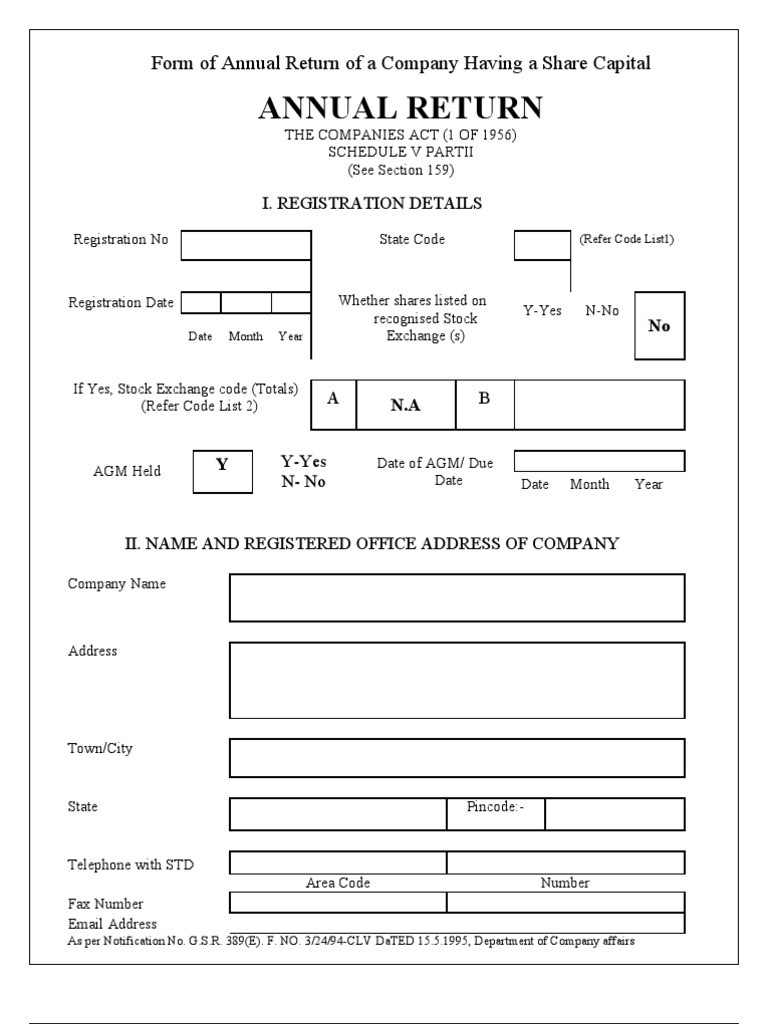
Company returns are tax returns submitted to the Kenya Revenue Authority (KRA) to report a company’s income and other relevant tax information for a particular accounting period.
They’re different from annual returns filed with the Business Registration Service (BRS). This distinction is important because some business owners use the terms interchangeably.
A company can therefore have both corporate obligations with BRS and tax obligations with KRA.
For a company registered and operating in Kagio, keeping these filings up to date helps avoid unnecessary compliance problems later.
Who needs to file company returns in Kagio?
Generally, registered companies have tax filing obligations with KRA. The exact returns and deadlines depend on the company’s tax obligations and circumstances.
This can include companies that:
- Are actively trading
- Have employees
- Have taxable income
- Are registered for VAT
- Have other applicable tax obligations
- Had little or no business activity during the period
A quiet business shouldn’t automatically assume that there’s nothing to file. Depending on the company’s tax status, a return may still be required.
That’s why it’s worth checking the company’s KRA obligations rather than simply assuming that no transactions means no filing.
Why company returns matter for a business in Kagio
Running a business in Kagio often means juggling customers, suppliers, stock, employees and payments. Tax filing can easily be pushed aside when you’re focused on the day-to-day work.
But an overlooked return can create problems later.
For example, you may suddenly need a KRA Tax Compliance Certificate for a tender or another business requirement, only to discover that there are outstanding returns or other compliance issues.
Filing on time helps keep your company’s tax record in order and makes it easier to deal with KRA when you need assistance.
What is needed for KRA Company Returns in Kagio
The information required will depend on the company and the type of return being filed. In many cases, a tax professional may need information such as:
- Company KRA PIN and tax details
- Financial records for the relevant period
- Sales and income information
- Business expenses and supporting records
- Payroll information where applicable
- VAT records where applicable
- Previous tax returns
- Other documents relevant to the company’s tax obligations
If your records aren’t perfectly organised, don’t panic. It’s better to have someone review what you have before submitting a return than to guess figures and create another problem.
What happens when you ask for help with KRA Company Returns in Kagio
The first step is usually to understand the company’s current tax position.
The records are then reviewed to establish what needs to be filed and whether there are previous outstanding obligations that need attention.
After the relevant information has been checked, the return can be prepared and submitted through the appropriate KRA system.
It’s important not to rush this part. A return shouldn’t simply be filed for the sake of getting it off your list. The figures should be based on the company’s actual records.
What if the company didn’t make money?
This is one of the questions company owners ask quite often.
A company having no income doesn’t automatically mean you can ignore its KRA obligations. Depending on its tax registration and circumstances, it may still have a filing requirement.
If your Kagio-based company hasn’t been trading or has been inactive, it’s better to have its KRA account checked and establish what returns are due.
That way, you’re not discovering an old filing issue months or years later.
Common mistakes to avoid
One common mistake is filing company returns using figures that haven’t been properly checked.
Another is assuming that BRS annual returns and KRA tax returns are the same thing. They’re separate obligations.
It’s also risky to wait until the last minute. If you discover missing records, an old outstanding return or another tax issue close to a deadline, you may not have enough time to sort it out comfortably.
And if your company has changed its activities, directors, address or other important details, make sure the relevant records are properly updated where necessary.
KRA company returns filing in Kagio
If you’re a company owner in Kagio and your KRA company returns are due, the easiest approach is to start with your records and establish exactly what KRA expects from your company.
Bzinex, based in Karatina, can assist businesses in Kagio with KRA company returns filing and related tax compliance matters. You can enquire about the documents needed, share your records for review where the process can be handled remotely, and get guidance on the next steps. You can call us or Whatsapp +254 797 532 345 now.
ALSO READ:
How to File KRA Returns Online in Kenya
KRA Tax Compliance Certificate: Requirements and Application in Kenya
KRA Nil Returns: Who Should File and How
KRA eTIMS Expert in Karatina: eTIMS Registration, Setup and Compliance